Obesity: A Treatable Medical Disease
Obesity is a chronic, progressive, and multifactorial medical condition that affects metabolism, appetite regulation, hormone balance, emotional well-being, and long-term physical health. It is not simply the result of overeating or lack of discipline. Modern medical science recognizes obesity as a biological disorder that requires structured treatment, education, and consistent care.


Understanding Obesity in Depth
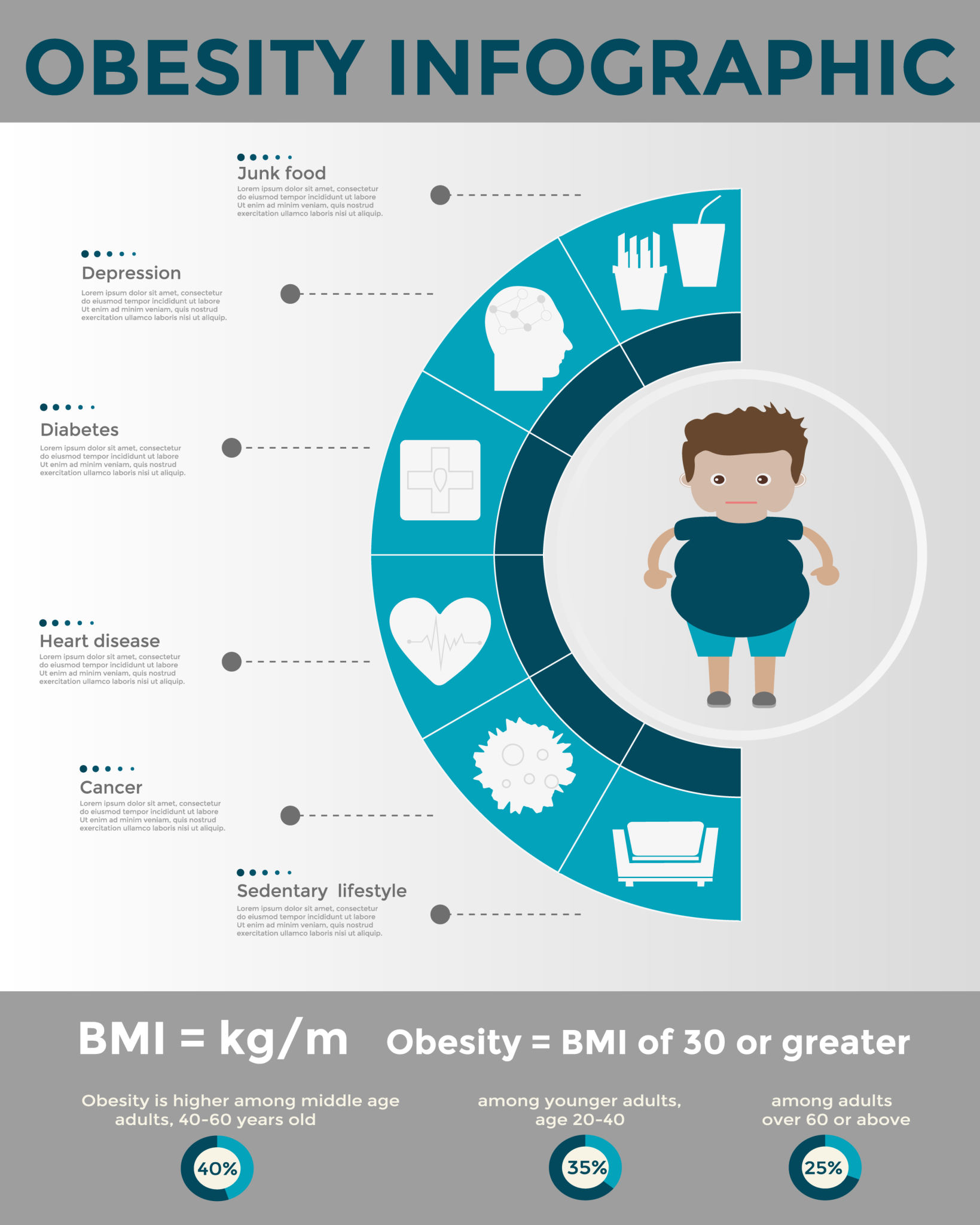
Obesity develops when excess fat accumulates in the body to a level that begins to interfere with normal physiological functioning. Genetic predisposition, hormonal imbalance, sedentary lifestyle, poor dietary patterns, stress levels, and inadequate sleep collectively contribute to weight gain.
Once obesity develops, the body often attempts to defend its higher weight by increasing hunger-stimulating hormones and reducing energy expenditure. This biological resistance makes long-term weight loss difficult without professional medical guidance.
Understanding obesity as a medical condition rather than a personal failure is crucial in creating effective and sustainable treatment strategies.
How Obesity Impacts Body Systems
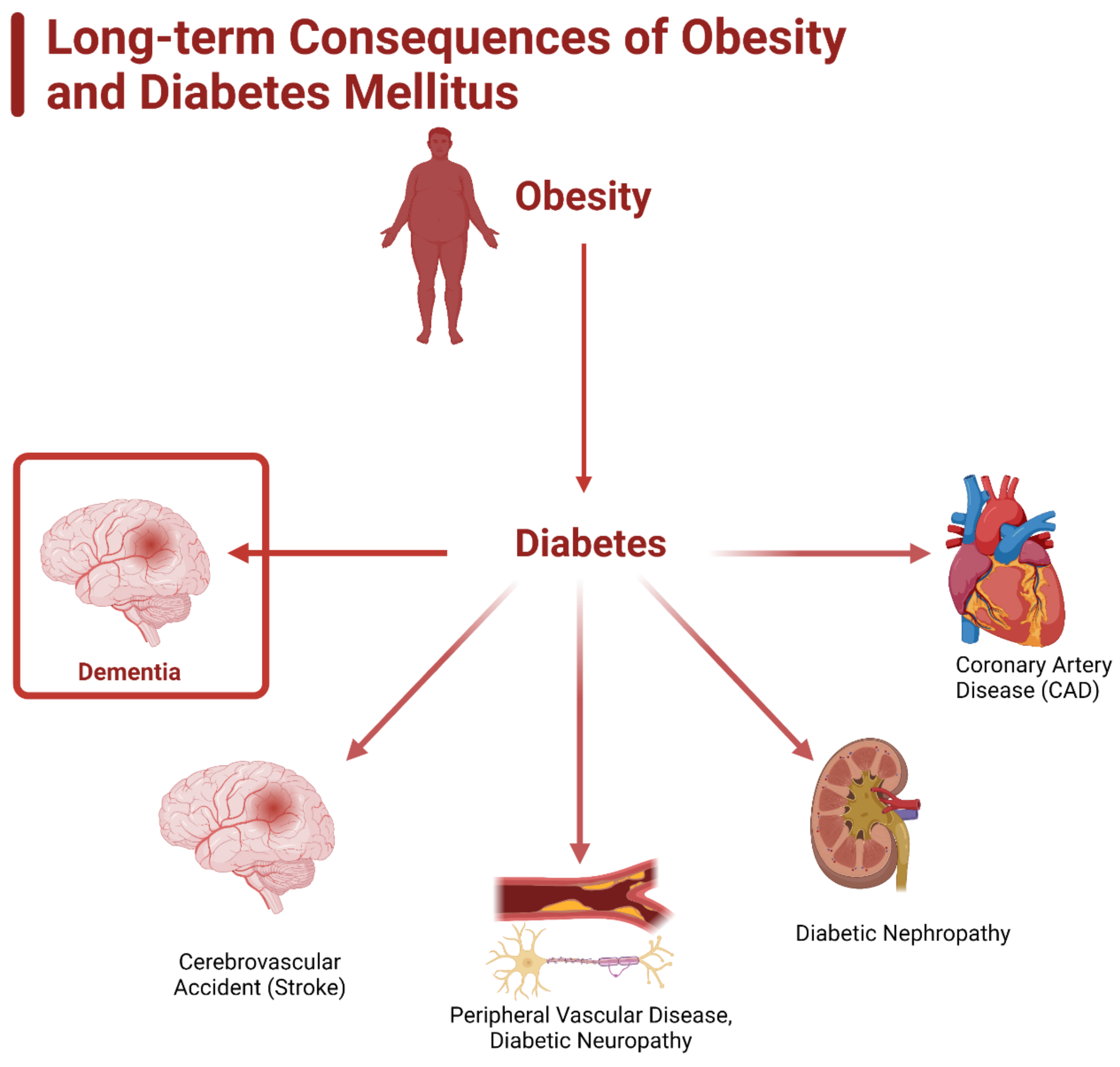
Fat tissue behaves like an endocrine organ releasing inflammatory chemicals that disturb insulin sensitivity, cardiovascular health, liver metabolism, respiratory efficiency, and joint stability.
Over time, individuals may experience fatigue, breathlessness, reduced mobility, chronic pain, poor sleep quality, and declining energy levels even before major diseases are diagnosed.
Major Health Risks Associated with Obesity
- Type 2 Diabetes and Insulin Resistance
- High Blood Pressure and Heart Disease
- Fatty Liver and Digestive Disorders
- Joint Degeneration and Mobility Limitations
- Sleep Apnea and Chronic Fatigue
- Hormonal Imbalance and Fertility Issues
- Increased Risk of Stroke and Cardiovascular Events
Hormones and Metabolic Regulation
Hormones such as insulin, leptin, ghrelin, cortisol, and thyroid hormones regulate appetite, fat storage, and energy expenditure. When these hormones become imbalanced, the body tends to store fat more easily and resist weight-loss efforts.
Medical evaluation and targeted interventions can help restore balance and improve metabolic efficiency.
Psychological and Emotional Considerations
Beyond physical effects, obesity also influences emotional well-being. Many individuals experience low self-esteem, anxiety, depression, and social withdrawal due to body-image concerns and societal stigma.
Addressing emotional health through counseling, support groups, and compassionate care significantly improves long-term outcomes.
Prevention and Sustainable Lifestyle Practices
Balanced nutrition, regular physical activity, adequate hydration, stress management, and consistent sleep routines form the foundation of sustainable weight management.
Small consistent habits are more effective than extreme diets, ensuring metabolic stability and long-term success.
The Patient Journey and Long-Term Outcomes
Successful weight management is a gradual process involving professional monitoring, realistic goal setting, behavioral support, and regular follow-ups. Even modest weight reduction improves blood sugar control, mobility, and overall vitality.
Start Your Medical Weight Loss Journey
With expert guidance and consistent lifestyle habits, sustainable weight loss and improved quality of life are achievable.